Choosing Bookshelves for Your Home

Few pieces of furniture carry as much personality as bookshelves. They hold the things you’ve collected, the stories you’ve read, the objects that mean something to you, and in doing so, they quietly tell visitors who you are. Choosing the right bookshelves for your home is less about storage logistics and more about finding a piece that feels genuinely yours. This guide walks you through everything: types, sizing, styling, maintenance, and where to find quality options in South Africa.

Why Bookshelves Are More Than Just Storage

A well-chosen bookshelf does something no wardrobe or cabinet can quite replicate, it puts your interior life on display. Books, plants, framed photographs, ceramics picked up on a road trip: all of it lives on shelves, and all of it contributes to a room that feels inhabited rather than staged.

Bookshelves also anchor a room visually. A floor-to-ceiling unit on a bare wall instantly creates a focal point. A low, open unit behind a sofa defines a zone in an open-plan space. Even a small ladder shelf in a hallway adds warmth and intention where there was previously just empty wall.

That emotional function, making a space feel like you, is why getting the choice right matters. The wrong shelf, in the wrong style, bought at the wrong scale, will always feel slightly off. The right one becomes a fixture you genuinely love.

Types of Bookshelves and Which One Suits Your Space

Bookshelves come in more configurations than most people realise. Each has a natural home, and knowing the difference saves you from buying something that fights your space rather than working with it.

Corner shelves are ideal when floor space is tight but you still want vertical storage. They tuck neatly into otherwise dead corners and work well in home offices or bedrooms.

Cube units are modular and flexible. You can arrange them horizontally as a low media console or stack them vertically for a more traditional bookshelf look. They suit contemporary and Scandi-style interiors particularly well.

Ladder shelves lean against the wall at an angle, with each rung getting slightly narrower toward the top. A ladder bookshelf in the corner of a small Joburg apartment can visually open up the room while doubling as a display surface for plants, framed photos, and a curated selection of books. Limited square footage doesn’t mean sacrificing style.

Freestanding Bookshelves: Flexible and Renter-Friendly

Freestanding units are the most versatile option and the right choice for most renters. They require no drilling, no wall fixings, and no landlord permission. You can move them between rooms, take them with you when you move, and rearrange them as your taste evolves.

A classic freestanding unit placed floor-to-ceiling in a living room creates the effect of a built-in library without the cost or commitment, a favourite approach for homeowners who want a dramatic focal wall on a manageable budget. Pair two or three identical units side by side for that full library wall effect.

Wall-mounted and floating shelves have grown steadily in popularity among urban renters across South Africa’s major metros. The appeal is practical: no permanent installation, and the shelves move with you.

Built-In and Wall-Mounted Shelving: Maximising Your Walls

Wall-mounted shelves are the right call when you own your home and want to maximise every centimetre of wall space. Floating shelves in particular create a clean, airy look, there’s no visible bracket interrupting the line of the shelf, just the shelf itself seemingly suspended against the wall.

Built-in shelving is the premium option. It’s custom-fitted to your wall dimensions, looks polished, and adds genuine value to a property. The trade-off is cost and permanence, it’s not something you move.

For most South African homeowners striking a balance, a combination works well: a freestanding unit as the primary storage piece, with a few wall-mounted floating shelves above or beside it for display.

How to Choose the Right Bookshelf Size and Style

Size is where many buyers go wrong. A shelf that’s too small for the room disappears into it; one that’s too large overwhelms it.

Height: In rooms with standard 2.4 m ceilings, a bookshelf between 1.8 m and 2.1 m tall feels proportionate and substantial without closing in the space. Lower shelves, around 1.2 m, work well as room dividers or behind seating.

Width: Wider units (1 m+) make a stronger visual statement and are better for large living rooms. Narrower units (under 80 cm) suit hallways, bedrooms, and small studies.

Depth: Standard bookshelf depth is 25–30 cm, deep enough for most paperbacks and hardcovers. If you’re shelving art books, vinyl records, or decorative objects, look for 35 cm depth or more.

Measuring your space: Before buying, measure the wall width, the height from floor to ceiling (or to any cornice), and note any skirting board depth that might push the unit away from the wall. Allow at least 60 cm in front of the unit for comfortable access.

Matching Your Bookshelf to Your Room’s Aesthetic

Bookshelves come in a wide range of styles, and the right one depends on what your room is already doing.

Warm wood tones, oak, walnut, and pine finishes, suit natural, Scandi, and transitional interiors. At Furnicare, we’ve noticed South African homeowners gravitating toward warm-toned wood finishes and open-frame designs in 2026, a shift toward shelving that feels lived-in and personal rather than purely functional.

Industrial styles, dark metal frames combined with reclaimed wood or concrete-effect shelves, work well in loft-style spaces and urban apartments. They pair naturally with leather, exposed brick, and moody colour palettes.

Painted or lacquered finishes in white, black, or deep tones suit more formal or maximalist interiors. A floor-to-ceiling unit in deep navy or forest green becomes a piece of furniture that commands the room.

For South African homes specifically, consider how materials handle humidity and temperature changes. Solid wood and high-quality MDF with a durable laminate finish tend to hold up well across different climate zones, from coastal Cape Town humidity to the dry heat of the Highveld.

Styling Your Bookshelves: Making Them Look Like a Design Feature

The difference between a shelf that looks chaotic and one that looks intentional usually comes down to a few simple principles.

Mix books with objects. A shelf filled entirely with books looks like a library, not a living room. Introduce ceramics, small sculptures, plants, candles, and framed photos to break up the rows and add visual interest.

Vary heights. Alternate between tall items, short items, and horizontal stacks of books. The variation keeps the eye moving and prevents the shelf from looking flat.

Use plants. A trailing pothos or a small succulent does more for a shelf’s visual warmth than almost any other single addition. It adds life, literally, to an otherwise static arrangement.

Colour-block spines. Grouping books by spine colour, all the whites together, then the greens, then the blues, creates a quiet visual order that reads as considered rather than accidental. It’s a small move with a surprisingly large effect.

The Rule of Odd Numbers and Layering Décor

Interior stylists consistently recommend working in odd numbers when decorating shelves. Groupings of three or five objects create visual rhythm and feel naturally balanced to the eye, whereas even numbers tend to look too symmetrical and flat.

In practice: arrange a tall vase, a medium-height stack of books, and a small decorative object as a trio. Then repeat a similar logic across the shelf at irregular intervals, so the eye has a rhythm to follow without everything matching exactly.

Layering works well too. Lean a small framed print against the back of a shelf, with a plant or object in front of it. The depth that creates makes the shelf feel curated and deliberate, a small still life rather than a storage solution.

Caring for Your Bookshelves to Keep Them Looking Their Best

A quality bookshelf, looked after properly, lasts for decades. A few straightforward habits make the difference.

Dust regularly. Shelves collect dust faster than most surfaces because books and objects trap it. A microfibre cloth weekly, or at least fortnightly, prevents buildup from becoming a deeper cleaning job.

Keep out of direct sunlight. UV exposure fades wood finishes and causes MDF veneers to lift over time. Position your bookshelf away from south- or west-facing windows where possible, or use curtains and blinds to filter direct sun.

Respect weight limits. Every shelf has a load-bearing limit. Overloading causes shelves to bow over time, especially in MDF units. Spread heavy items, large hardcovers, records, heavy ceramics, evenly across multiple shelves rather than stacking them all in one spot.

Check fixings annually. Freestanding units that are wall-anchored for safety (important in households with children) should have their wall fixings checked once a year. Tighten any loose screws and replace any fixings that show signs of wear.

Wipe spills immediately. Wood and MDF are both sensitive to moisture. A damp cloth to blot and dry is always better than letting liquid sit.

Finding the Perfect Bookshelf for Your South African Home

With the right information, choosing bookshelves stops feeling overwhelming and starts feeling enjoyable. You know your space, your style, and the kind of home you’re building, the right shelf is simply the one that fits that picture.

If you’re in the middle of putting a living room together, it’s worth thinking about the whole space at once, how your shelving relates to your seating, your rug, and your lighting. our complete guide to buying a couch online in South Africa covers the couch side of that equation and pairs well with this guide if you’re furnishing from scratch.

At Furnicare, we’ve curated a range of bookshelves to suit South African homes across different styles, sizes, and budgets, from compact ladder units ideal for a Joburg flat to full-height statement pieces for a Cape Town family home. We deliver nationwide, so wherever you are in South Africa, your next favourite piece of furniture is closer than you think.

Browse the Furnicare bookshelf range online and find the one that makes your space feel exactly like home.

Buy Couch Online South Africa: A Complete Guide

Buy Couch Online South Africa: A Complete Guide

Buy Couch Online South Africa: A Complete Guide

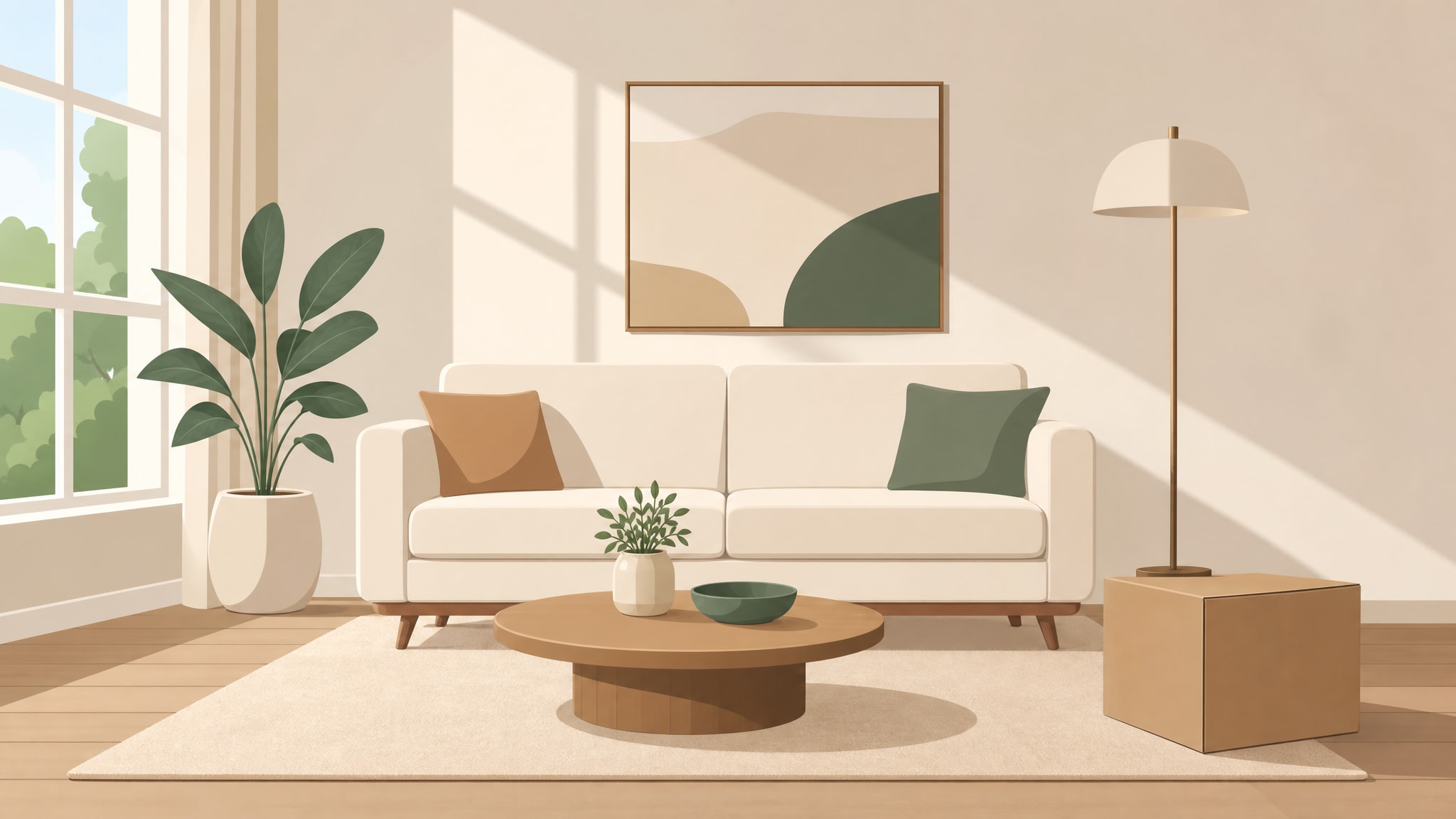
There has never been a better time to buy a couch online in South Africa. What once felt like a leap of faith, committing to a large furniture purchase without sitting on it first, has become one of the most practical ways to furnish your home. Wider product ranges, clearer sizing information, and reliable nationwide delivery have all shifted the equation in your favour. This guide walks you through everything you need to know before you buy, so that when your new sofa arrives, it feels exactly like home.

Why More South Africans Are Choosing to Buy Couches Online

South Africa’s e-commerce market has grown steadily, with furniture and home décor among the fastest-growing categories in 2026. That growth reflects a genuine shift in how South Africans approach considered purchases. Shoppers are more comfortable researching products online, comparing quality, and reading real customer reviews before committing.

The reasons are easy to understand. Online furniture stores offer far broader selections than a single showroom floor, often at more competitive prices because overheads are lower. You can browse sofas for sale in South Africa at 10 pm in your pyjamas, compare dimensions against your floor plan, and take your time, without a sales assistant hovering nearby.

Convenience matters too. For shoppers outside major metros, an online furniture store in South Africa means access to the same curated range that city-based customers enjoy, delivered directly to the door. That’s a meaningful shift for anyone who has previously had to settle for whatever the local store happened to stock.

What to Look for Before You Buy a Couch Online in South Africa

Feeling confident about an online couch purchase comes down to two things: knowing your space and understanding what you’re actually buying. Get both right and the rest of the process takes care of itself.

Size, Layout, and Living Room Flow

Measuring your space before you browse is non-negotiable. One of the most common frustrations South African shoppers report is ordering a three-seater sofa without checking whether it will fit through the front door or down the passage, only to discover the problem on delivery day. Measure your room, your doorways, and any tight corners the delivery team will need to navigate. Write those numbers down before you open a single product page.

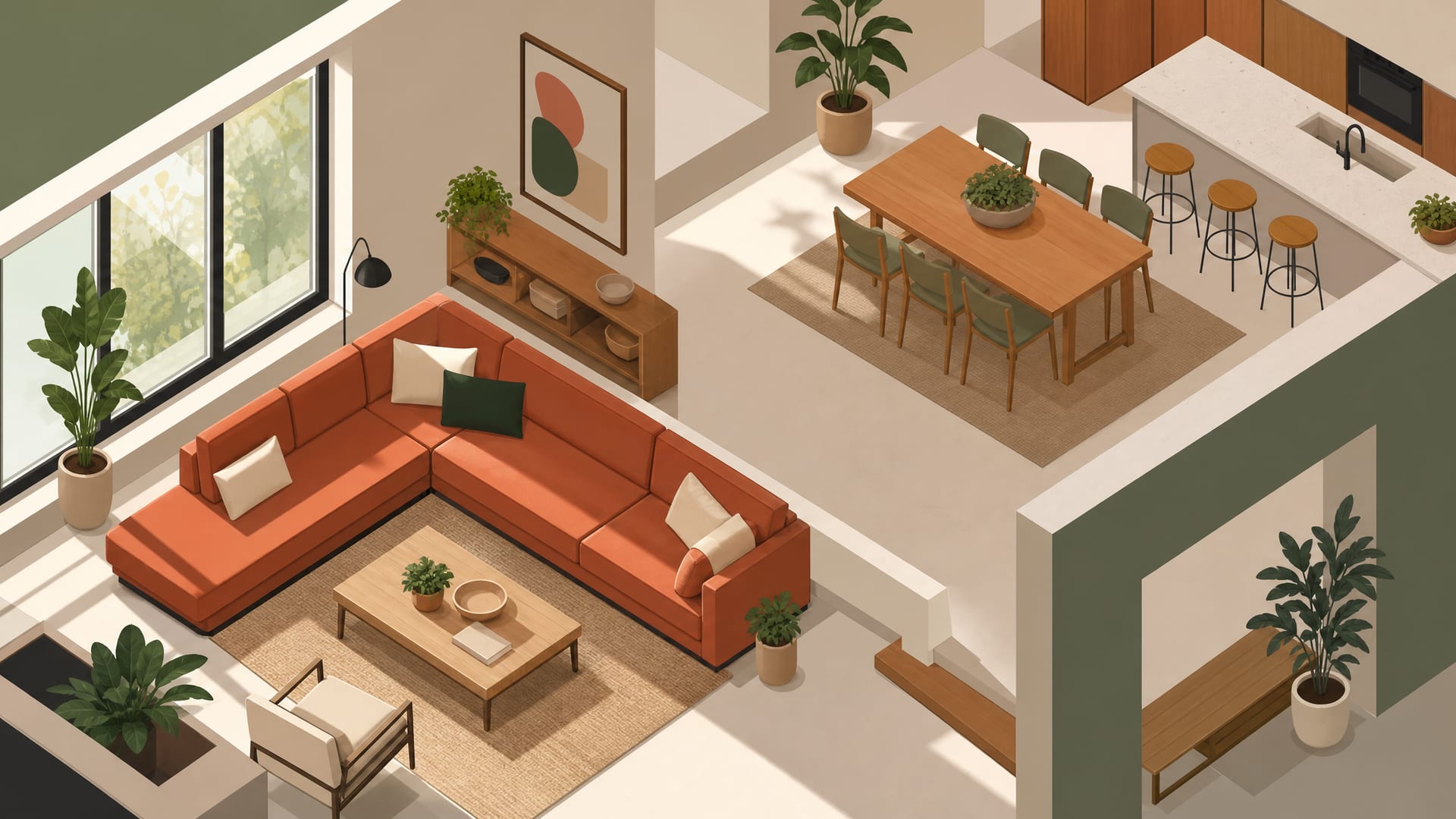
Beyond fitting through the door, think about how the couch will sit within the room. As a general guide:

  • Leave at least 90 cm between the sofa and the coffee table or opposite wall, so movement feels easy and the room breathes.
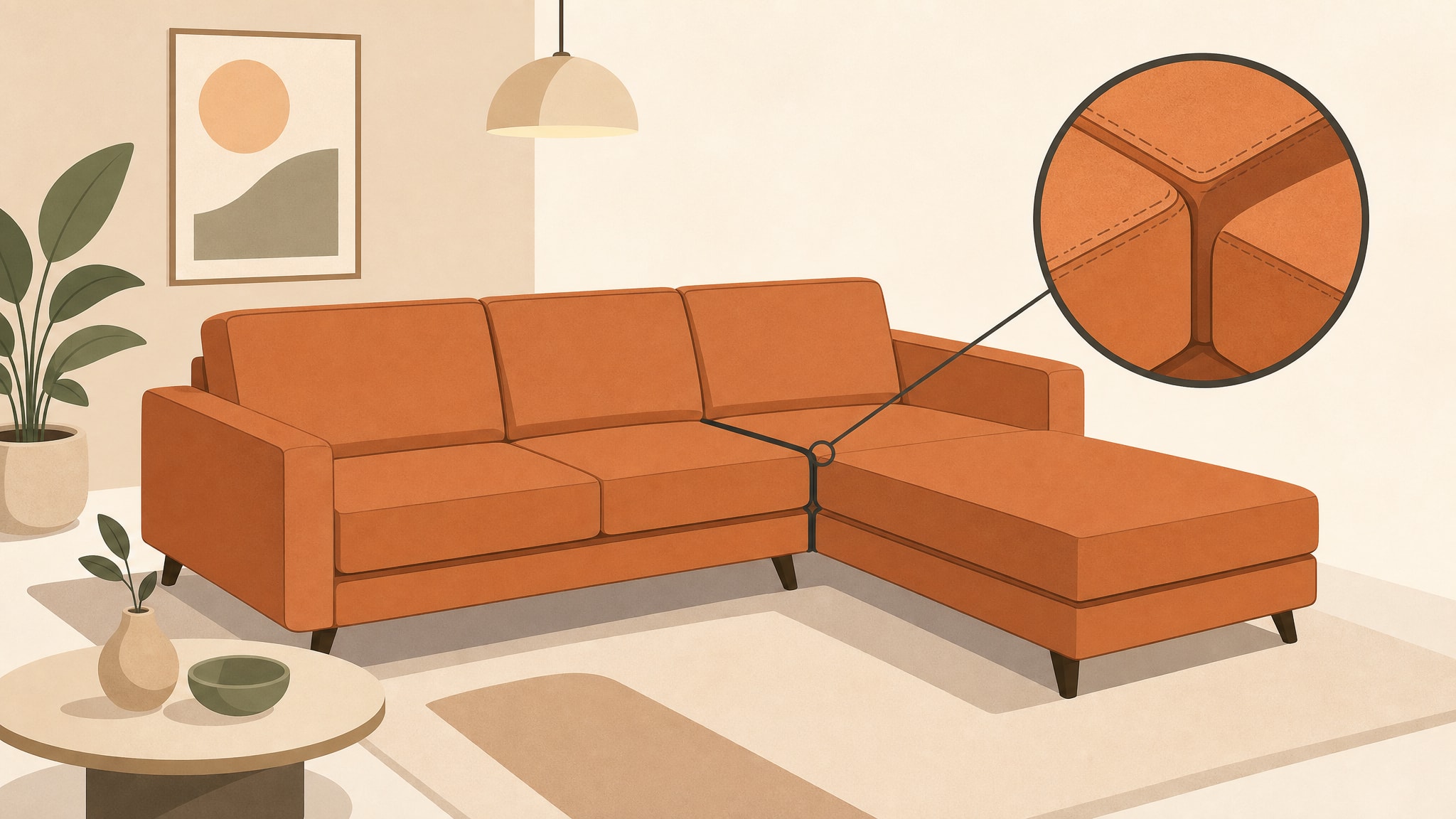
  • Sectional sofas work well in larger, open-plan spaces. They anchor the room, create a defined living zone, and offer generous seating. In a smaller or oddly shaped room, a standalone two- or three-seater often gives you more flexibility.
  • L-shaped sectionals suit corner placements well but need careful measuring on both legs, the shorter and longer sections each need their own measurement against the wall.

If you’re torn between a sectional and a standalone sofa, ask yourself how the space is used. Families who gather for movie nights often prefer the wraparound feel of a sectional. Households that entertain more formally, or who need to rearrange furniture regularly, often find a standalone sofa easier to live with long-term.

Fabric, Fill, and Durability: What Really Matters

The frame and fill of a sofa determine how long it will feel like new. When you’re comparing sofas for sale in South Africa online, these are the quality signals worth looking for.

Foam density is one of the most reliable indicators of longevity. High-density foam, typically rated at 35 kg/m³ or above, holds its shape and support for years. Lower-density foam compresses more quickly, meaning cushions that feel firm in photos can start sagging within a year or two of regular use. Check product descriptions for foam density, and if it isn’t listed, it’s worth asking.

Frame construction matters just as much. Kiln-dried hardwood frames are the gold standard, they resist warping and cracking over time. Engineered wood frames are common in mid-range sofas and are perfectly serviceable when well-made; what to avoid is lightweight particleboard, which tends not to hold up under daily use.

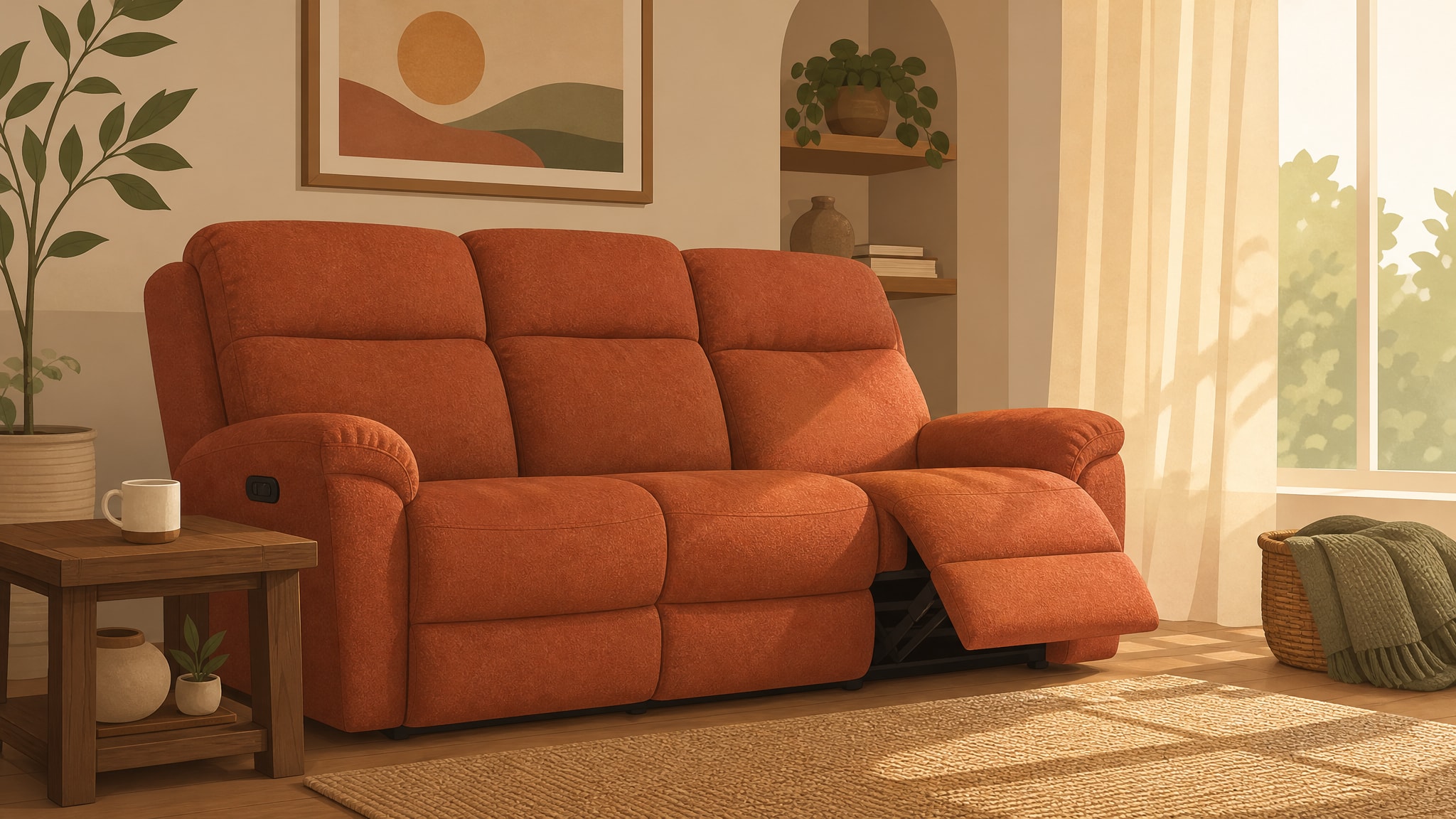
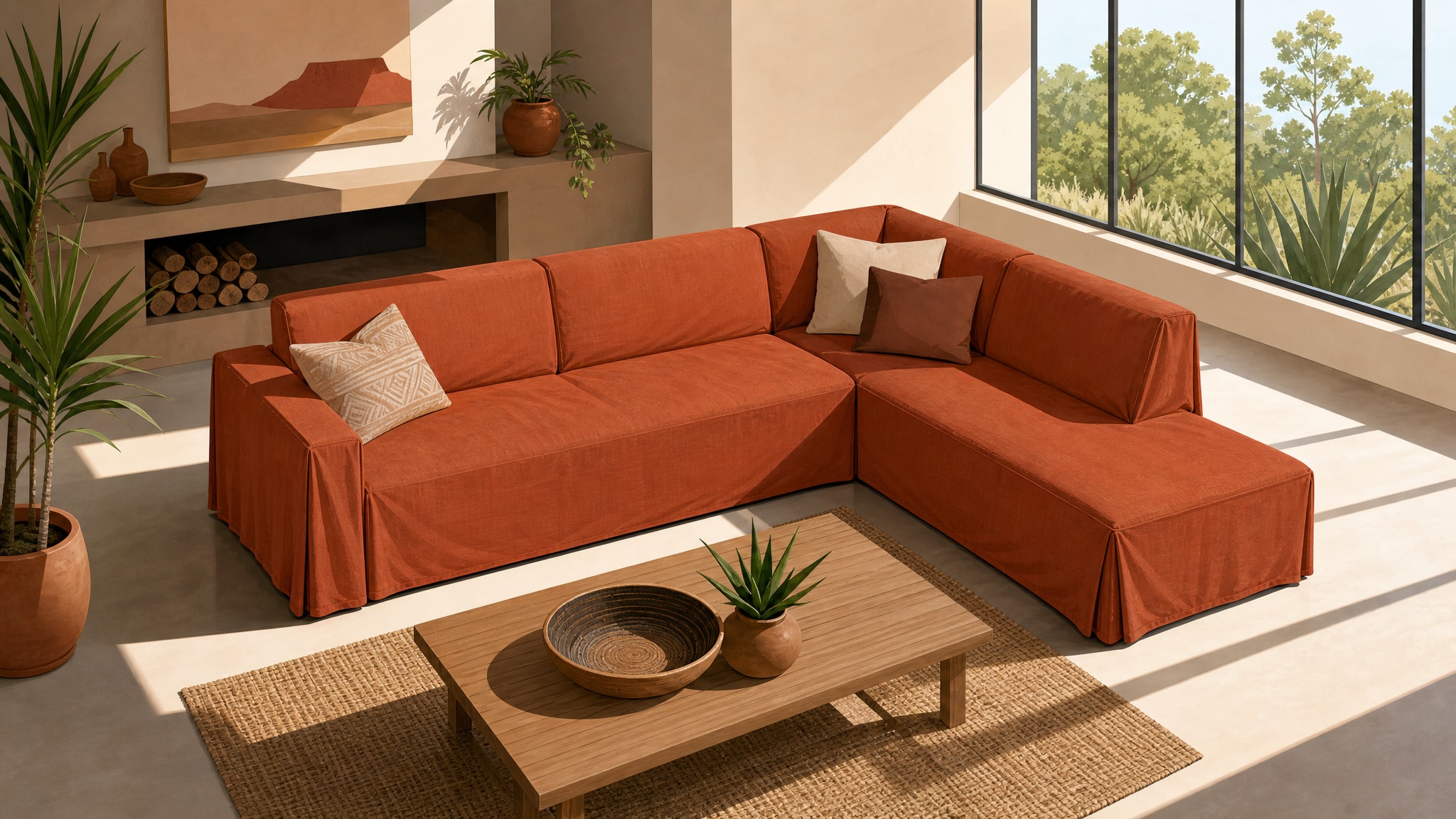
Fabric choice depends heavily on your household. Linen-blend and microfibre upholstery are popular in South African living rooms right now, both are praised for their softness, their versatility across different home aesthetics, and how easy they are to keep clean. For households with young children or pets, microfibre is particularly practical: it resists staining better than natural weaves and wipes down without much fuss. Leather and faux-leather remain popular for their durability and ease of maintenance, though they can feel warmer in South Africa’s hotter months. Velvet and textured weaves create a richer look but need more care to stay looking their best.

Understanding Couch Delivery in South Africa: What to Expect

Delivery is where many shoppers feel the most uncertainty, and understandably so. A couch is not a parcel. It’s large, heavy, and expensive, and you want to know it will arrive safely and on time.

Good couch delivery in South Africa should include clear communication: a confirmed lead time at purchase, a tracking update or delivery notification as the date approaches, and a scheduled window rather than a vague “sometime this week.” Lead times vary by retailer and location but typically range from a few business days to two or three weeks for items in stock.

Packaging matters. A reputable online furniture store will wrap frames and upholstery to protect against scuffs and moisture in transit. On arrival, take a few minutes to inspect the sofa before signing off, check for any damage to the frame, upholstery, or legs. Reputable retailers will have a clear process for raising any delivery issues promptly.

Furnicare ships furniture nationwide across South Africa, so shoppers outside major metros have access to the same range and service as those in Johannesburg, Cape Town, or Durban. If you have specific access considerations, a narrow lift, a walk-up flat, or a security estate with restricted vehicle access, flag these when you place your order so the delivery team can plan accordingly.

Finding Affordable Couches Online Without Sacrificing Quality

Affordable couches online are genuinely available in South Africa, but “affordable” and “cheap” are not the same thing, and the difference shows up a few years down the line.

The most common trap is choosing a sofa on price alone. A very low-priced sofa often uses low-density foam, lightweight framing, and fabric that pills or fades quickly. The initial saving disappears when you’re replacing it within two or three years. A mid-range sofa built on a solid frame with decent foam density will cost more upfront but deliver far better value over its lifespan.

When comparing options, look for retailers that are transparent about materials and construction. Vague descriptions that emphasise style photography with no mention of foam density, frame material, or fabric composition are a signal to dig deeper, or look elsewhere.

The sweet spot for most South African households is a curated mid-range offering from an established online furniture store: better construction than the budget end, without the premium markup of designer pieces. Clear product specifications, real customer reviews, and a retailer that stands behind what it sells are all good signs.

The Best Place to Buy a Couch in South Africa: What Sets a Great Online Retailer Apart

The criteria for choosing where to buy matter as much as choosing the sofa itself. Here’s what to look for when evaluating any online furniture store in South Africa.

Product range and quality transparency. A good retailer offers a range that covers different styles, sizes, and price points, and is upfront about what goes into each product. Detailed specs, multiple images, and accurate dimensions are the baseline.

Delivery reliability. Nationwide reach, clear lead times, and proper packaging are non-negotiable. Ask whether delivery includes placement in the room, or just to the door, it makes a real difference on the day.

Customer support. Can you easily reach someone before you buy to ask a question? Is there a clear process if something goes wrong after delivery? A retailer that is easy to reach before the sale tends to be easier to deal with after it too.

Returns and after-sale support. Understand the return policy before you commit. A fair policy, one that accounts for the practical reality of furniture delivery, not just a blanket “no returns on large items”, is a sign of a retailer that takes customer satisfaction seriously.

Furnicare is built around exactly these principles: a carefully selected range of sofas and couches, nationwide delivery across South Africa, and customer support that makes buying furniture online feel straightforward rather than stressful. For shoppers who want quality, reliability, and a buying experience that respects their time, it’s a strong place to start.

Browse Sofas for Sale at Furnicare and Find Your Perfect Match

You’ve done the measuring. You know your fabric preferences. You understand what quality looks like. Now comes the part where your living room starts to take shape.

Furnicare’s sofas for sale in South Africa span a range of styles, from relaxed, family-friendly sectionals to sleek standalone two- and three-seaters that suit more compact spaces. Every piece is selected with real South African homes in mind: the way we actually live, gather, and rest.

A sofa is more than a piece of furniture. It’s where the household lands at the end of the day, where guests settle in, where the home starts to feel like yours. Getting it right matters, and with the right information and the right retailer behind you, it doesn’t have to be complicated.

Browse the full range and find the sofa that fits your space, your life, and the feeling you want your home to carry.

Classic Luxury Office Furniture & Solid Wood Office Desks in Gauteng

Classic Luxury Office Furniture for Professionals Who Appreciate Craftsmanship

An office is more than simply a place to work. For many professionals, it is a space where important decisions are made, clients are welcomed and countless hours are spent building a business or career. The furniture you choose should therefore offer more than functionality — it should provide comfort, organisation, durability and a sense of permanence.

At Furnicare, our office furniture collection is designed for professionals who appreciate the character of real wood, traditional craftsmanship and furniture with substance. Over the years, our customers have included law firms, bankers, professionals in the financial sector and individuals creating distinguished home offices.

From executive office desks and extension desks to office chairs, bookshelves, filing cabinets, credenzas, boardroom tables and side tables, our collection allows you to create a complete and cohesive workspace. We can also custom manufacture reception furniture according to your individual requirements.

Office Furniture Crafted in Oak, Mahogany and Kiaat

Our office furniture is locally manufactured at our factory in Springs, Gauteng, and is available in a choice of oak, mahogany and kiaat.

Customers can choose from various wood stains and finishes to complement their office interior and personal style. Desks and extension desks can be finished with either beautiful wood tops or genuine leather inlays for a distinctive classic luxury look.

The choice between oak, mahogany and kiaat is largely one of personal preference. Each wood has its own natural character, grain and colour, allowing you to choose a finish that feels at home in your particular space.

Solid Wood or Wood Veneer: What Is the Difference?

One of the most common questions we receive is: “Is it solid wood?”

The answer is that we offer both carefully constructed furniture incorporating quality wood veneers and solid wood options, with fully solid wood pieces quoted separately due to their different construction requirements and higher material costs.

There is often a misconception that wood veneer is a synthetic vinyl or an imitation of real wood. In reality, genuine wood veneer is a thin layer of real timber and has been used in fine furniture making for thousands of years.

When properly selected and skilfully applied, quality veneer allows furniture makers to showcase beautiful wood grain while using valuable natural timber more efficiently. It can also offer practical advantages in furniture construction and design.

At Furnicare, we believe in being transparent about the materials used in our furniture. Our goal is not to disguise how a piece is constructed, but to help customers understand the craftsmanship, materials and value behind the furniture they are choosing.

What Makes a Quality Office Desk Different from Mass-Produced Furniture?

Quality is often difficult to judge from a photograph alone.

The difference becomes much clearer when you see, touch and use a substantial piece of furniture. It can be found in the weight of the piece, the quality of its construction and assembly, the materials behind the visible surfaces, the drawer runners, the joinery and the attention given to finishing details.

Our furniture is not lightweight, mass-produced furniture made with flimsy backing boards or inexpensive components. Proper materials and quality drawer sliders are used, while experienced artisans bring skill and craftsmanship to every piece.

This is labour-intensive furniture making. It takes time, experience and attention to detail — and that is precisely why our furniture is created for customers who value longevity rather than simply looking for the cheapest available option.

A quality wooden office desk should not be thought of as a short-term purchase. With appropriate care, it can become a piece that serves you for decades and may even outlast the office in which it was first placed.

Executive Office Desks in Different Sizes

Our standard office desks range from approximately 1400 mm to 1800 mm wide, with custom sizes also available.

When choosing your desk size, it is important to consider:

  • The available space in your office
  • Your computer and monitor setup
  • The amount of working surface you require
  • Your storage needs
  • The overall proportions of the room
  • Your preferred wood and finish
  • Your budget
  • Your required lead time

Custom dimensions can be manufactured; however, these generally cost more because additional time is required to redesign the piece and ensure that all components, drawers, cupboards and structural elements fit together correctly. Our established designs already have proven patterns in place, making standard production more efficient.

Practical Storage Built into Your Office Desk

Many of our office desks incorporate practical drawers and cupboards into the side supports, giving you convenient storage without the need for additional freestanding units.

Our Valentino and Elm desks, for example, can include drawers on one side and a cupboard on the other. Depending on the configuration, you can choose whether you prefer drawers or cupboards on the side where you sit, or a combination of each.

The desktop is then positioned over the side supports to secure the desk structure.

This combination of substantial construction, practical storage and timeless design makes these desks particularly suited to executive offices, professional practices and sophisticated home offices.

The Valentino Office Collection: A Furnicare Favourite

One of our most popular ranges is the Valentino Office Collection.

Its appeal lies in its timeless character: classic profiles, rich mahogany tones, elegant rounded feet and the option of a leather-inlaid writing surface create a distinguished executive look.

For customers looking to furnish a complete office, Furnicare offers three office furniture collections:

The Valentino Collection — classic, distinguished and rich in traditional detailing.

The Lampung Collection — another option for creating a coordinated professional workspace.

The Elm Collection — a versatile collection that brings the natural character of wood into the office.

These collections allow customers to coordinate their desks with complementary storage and other office pieces, creating a cohesive environment rather than assembling a workspace from unrelated furniture.

Luxury Office Furniture for the Modern Home Office

The home office has changed considerably.

Previously, many homes simply had a study that was used occasionally. Today, professionals may spend several days a week — or even every working day — in their home office.

As more time is spent working from home, comfort, organisation and the quality of the working environment have become increasingly important. A well-planned home office should provide enough workspace for your equipment, appropriate storage for documents and stationery, and an environment in which you genuinely enjoy spending time.

Our office desks are particularly suited to professionals who want their home workspace to feel established, comfortable and considered rather than temporary.

Custom Office and Reception Furniture

Sometimes a standard piece simply does not suit the space.

Furnicare can customise office furniture and manufacture reception furniture to accommodate specific requirements. Whether you need different dimensions, a particular configuration or furniture designed around an existing office layout, we can discuss the possibilities with you.

Custom furniture generally requires additional design and manufacturing time, which may affect both pricing and lead times. However, for the right space, having furniture designed around your practical requirements can make an enormous difference.

Locally Manufactured Office Furniture in Gauteng

Our office furniture is manufactured to order at our factory in Springs, Gauteng.

Manufacturing to order allows our customers to choose between different wood types, finishes, wood tops and leather inlays. With so many possible combinations available, keeping every variation in stock would simply not be practical or cost-effective.

Our typical manufacturing lead time is approximately two to four weeks. If you have an urgent deadline, speak to us. While we cannot promise that every order can be expedited, we will see what may be possible within our production schedule.

Office Furniture Delivery in Gauteng and Across South Africa

Within Gauteng, our own delivery team can deliver and install your office furniture. Our delivery service is insured, and because our team handles the installation, we are also there to assist should an issue arise.

For destinations outside Gauteng, we can arrange quotations through third-party furniture transporters. Transport costs depend on the destination and the pieces ordered, with preferential mid-month rates sometimes available.

Customers may also collect directly from our factory in Springs. For collections, suitable blankets, ropes and other protective equipment should be brought to ensure the furniture can be transported safely.

Visit Our Pretoria Showroom

Customers are welcome to visit our Pretoria showroom, where selected office furniture is on display together with wood and leather samples.

This gives you the opportunity to experience the quality and workmanship in person, compare materials and finishes, and discuss your individual requirements, order options and delivery arrangements with us.

For significant furniture purchases, seeing the materials and construction firsthand can help you make a much more confident decision.

A Proud Moment: Featured in SA Home Magazine

One particularly memorable project for us was a home-office showroom display at The Hills in Pretoria, which was featured in SA Home Magazine.

The response we received from the project was exceptional. More importantly, it gave us an enormous sense of pride in the quality and workmanship of the furniture we provide.

For a South African furniture business, seeing our work showcased in this way reinforced something we already believed deeply: carefully made furniture still has a place in modern homes and professional spaces.

Why Choose Furnicare for Your Office Furniture?

We do not claim to be the cheapest office furniture supplier, nor is that what we aim to be.

Our furniture is for people who appreciate wood. It is for professionals who notice craftsmanship, value substantial construction and want something beyond lightweight, mass-produced furniture.

Every piece represents skilled labour, carefully selected materials and generations of furniture-making knowledge. Whether you choose a classic executive desk with a leather inlay, a complete coordinated office collection or a customised piece designed for your particular space, our aim is to provide furniture worthy of the environment it occupies.

Because some furniture simply fills a space.

The right furniture defines it.

Frequently Asked Questions About Our Office Furniture

Do you sell solid wood office desks?

Yes. Solid wood options are available and quoted separately due to differences in construction and material costs. We also manufacture quality furniture using genuine wood veneers, which are made from real timber and have a long history in fine furniture making.

Where is Furnicare’s office furniture manufactured?

Our office furniture is locally manufactured at our factory in Springs, Gauteng.

What wood options are available for office furniture?

Our office furniture is available in oak, mahogany and kiaat, with various stains and finishes available.

Can I customise my office desk?

Yes. Custom sizes and configurations may be available, depending on your requirements. Custom pieces generally cost more due to the additional design and manufacturing time involved.

Do your office desks have drawers and storage?

Yes. Most of our office desks incorporate drawers, cupboards or a combination of both into their side supports.

What size office desks do you offer?

Our standard desks range from approximately 1400 mm to 1800 mm wide, with custom dimensions also available.

How long does office furniture take to manufacture?

Our typical lead time is approximately two to four weeks because our office furniture is manufactured to order. If your order is urgent, contact us to discuss whether an expedited production timeline may be possible.

Do you deliver office furniture in Gauteng?

Yes. We have our own insured delivery team operating in Gauteng, and our service includes installation.

Can you deliver office furniture outside Gauteng?

Yes. We can arrange a quotation from a third-party furniture transporter based on your delivery destination and order requirements.

Can I view the office furniture before ordering?

Yes. Selected office furniture, wood samples and leather samples can be viewed at our Pretoria showroom, where we can also discuss your individual requirements.

Types of Leather for Furniture: How to Choose the Best Leather for Your Couch or Chair

Types of Leather for Furniture: How to Choose the Best Leather for Your Couch or Chair

Leather has long been associated with luxury, durability and timeless style. A beautifully made leather couch or chair can become more attractive with age, developing character and a unique patina over many years.

But not all leather is created equal.

Terms such as full-grain, top-grain, genuine leather, aniline and bonded leather can be confusing, especially when shopping for leather furniture. What do they actually mean? Which leather is best for a couch? Will genuine leather crack or peel? And how long should a quality leather couch really last?

Understanding the different types of leather can help you make a more informed decision and choose furniture suited to your home, lifestyle and expectations.

At Furnicare, we specialise in locally manufactured leather furniture made to order at our factory in Springs, Gauteng. Our collection includes leather couches, occasional chairs, wingback chairs, office chairs, dining chairs, custom upholstered furniture and genuine leather inlays on selected wooden furniture.

Let’s explore the different types of leather and what you should know before investing in leather furniture.

Leather Grade vs Leather Finish: What’s the Difference?

Before comparing different leathers, it is helpful to understand that leather grade and leather finish are not the same thing.

Terms such as full-grain, top-grain and split leather generally describe which part of the hide is used and how much the natural surface has been altered.

Terms such as aniline, semi-aniline and pigmented leather describe how the leather has been dyed, protected and finished.

This means a piece of leather can be both full-grain and aniline leather — which is the primary type of genuine leather we use in Furnicare’s furniture collection.

What Is Full-Grain Leather?

Full-grain leather is widely regarded as one of the highest-quality types of leather available.

It uses the uppermost layer of the hide and retains its natural grain rather than having the surface heavily sanded or corrected to remove natural markings.

These natural characteristics are part of what makes each hide unique. Depending on the particular leather, you may see subtle colour variations and other individual characteristics that reflect its natural origin.

One of the most appealing characteristics of quality full-grain leather is how it ages. Rather than simply looking worn, well-maintained leather can develop a beautiful patina over time, giving the furniture greater depth and character.

Full-grain leather is an excellent choice for those who value authenticity, natural beauty and furniture intended to be enjoyed for many years.

What Is Aniline Leather?

Aniline leather is dyed using soluble dyes that allow the natural characteristics of the hide to remain visible rather than completely covering the surface with a heavy opaque coating.

The result is leather with a natural appearance, beautiful depth of colour and a distinctive feel.

At Furnicare, we primarily use full-grain aniline leather for our genuine leather furniture. Our house leather range includes different characteristics and appearances, including options with two-tone effects, natural colour variation and distressed character.

We currently have five in-house leather options used throughout our collections. For custom orders and interior projects, we can source more than 50 additional leather colours, allowing customers greater freedom to choose a finish suited to their space.

What Is Top-Grain Leather?

Top-grain leather also comes from the upper section of the hide, but its surface may be sanded, buffed or otherwise corrected to create a more uniform appearance.

This can reduce some natural markings and variations while producing a smoother, more consistent surface.

Good-quality top-grain leather can still be durable and attractive, but it generally has a more uniform appearance than natural full-grain aniline leather.

For customers who appreciate the individuality of genuine hides and the character that develops with age, full-grain leather is often particularly appealing.

What Is Split Leather?

Once the upper grain layer has been separated from a thick hide, the lower fibrous layer is known as split leather.

Split leather is genuine animal hide, but it does not have the same natural grain structure as full-grain or top-grain leather. It may be coated or embossed to create a more uniform appearance.

It can be useful for certain applications and can provide a more affordable genuine leather option, but it should not be confused with full-grain leather.

What Does “Genuine Leather” Actually Mean?

This is one of the most misunderstood terms in furniture shopping.

Genuine leather means that the material is real leather, but the term alone does not tell you its exact quality, grade or finish.

A product labelled genuine leather could be made from different grades or types of real leather. This is why it is important to ask more specific questions when buying leather furniture:

  • What type of leather is used?
  • Is it full-grain or corrected leather?
  • Is genuine leather used throughout the entire piece?
  • Are the sides and back also genuine leather?
  • Are any vinyl or synthetic materials used?

At Furnicare, our genuine leather couches and occasional chairs use genuine leather throughout — not just on the seating surfaces or so-called “leather uppers”. We do not substitute vinyl on the backs and sides of furniture sold as our genuine leather pieces.

Vinyl and other alternatives can, however, be quoted separately upon request and may be practical for certain commercial or high-traffic environments.

What Is Bonded Leather?

Bonded leather is manufactured using leather fibres or scraps combined with binding materials, usually including synthetic components.

Although it may contain some leather, it is fundamentally different from a full hide of genuine leather and generally does not offer the same natural characteristics, ageing qualities or longevity as full-grain leather.

Bonded leather can provide a more affordable appearance, but customers should understand exactly what they are buying and how its expected performance differs from genuine hide upholstery.

At Furnicare, synthetic or bonded alternatives can be quoted upon request, but our primary genuine leather furniture offering focuses on full-grain aniline leather.

Will Genuine Leather Crack or Peel?

This is one of the questions we are asked most often.

Quality genuine leather does not behave in exactly the same way as bonded or synthetic materials, which may delaminate or peel as their surface layers deteriorate. However, genuine leather can still become dry, faded, cracked or damaged if it is neglected or exposed to harsh conditions.

One of the biggest misconceptions about leather furniture is that because leather is durable, it requires no maintenance.

Leather needs care.

Direct sunlight can dry and fade leather over time. Excessive heat from a fireplace or another heat source can also draw out moisture, leaving the leather dry and more vulnerable to damage.

Regular cleaning and conditioning help preserve the leather’s natural suppleness and appearance.

How Long Can a Genuine Leather Couch Last?

There is no single guaranteed lifespan for every leather couch because longevity depends on several factors, including:

  • The quality and type of leather
  • The construction of the furniture
  • How frequently it is used
  • Its exposure to sunlight and heat
  • Whether it is regularly cleaned and conditioned
  • The home environment and lifestyle of the owner

With quality materials, good furniture construction and appropriate care, a well-made genuine leather couch can potentially remain in use for 30 to 50 years.

We have personally seen older leather furniture that has aged exceptionally well. This is one of the reasons we believe quality leather furniture should be viewed as a long-term investment rather than simply a short-term furnishing purchase.

Is Leather Furniture Suitable for Homes With Children and Pets?

It can be, but choosing the right leather is important.

For households with children or pets, we offer our Amanzi Harness leather, which has a protective layer that makes it a practical option for busy family homes.

However, no furniture upholstery is completely immune to damage. Pet claws can scratch leather, spills should be attended to promptly, and regular care remains important.

When choosing leather furniture for a family home, consider your lifestyle honestly. A more protected leather may be preferable to a highly natural, minimally protected finish if the furniture will face heavy everyday use.

Customers can visit our Pretoria showroom to see and feel our available leather samples and discuss which option may be most suitable for their household.

How Should You Clean and Care for Leather Furniture?

Proper care is one of the most important factors in determining how beautifully leather ages.

At Furnicare, we offer the Dales Gold Medal leather-care range, including glycerine soap, hide food and dubbin.

Different leather types may have different care requirements, so always check that a cleaning or conditioning product is appropriate for your specific leather before applying it to the entire piece.

As a general principle, leather furniture should be kept away from excessive direct sunlight and intense heat sources, cleaned appropriately and conditioned when necessary to help prevent it from becoming excessively dry.

One of the greatest mistakes a leather-furniture owner can make is assuming that genuine leather will simply last forever without any care. Quality leather is remarkably durable, but its longevity depends greatly on how it is treated.

Can You Customise Leather Furniture?

Yes. Furnicare’s leather furniture is made to order, giving customers the opportunity to customise their furniture according to the options available for a particular design.