
📦 Free Delivery on Linen & Decor: Orders over R1,999 (Gauteng) | Over R2,999 (Rest of SA) 🚛 Premium Furniture Delivery: Gauteng Flat Rate R1,500 | Nationwide Shipping Available
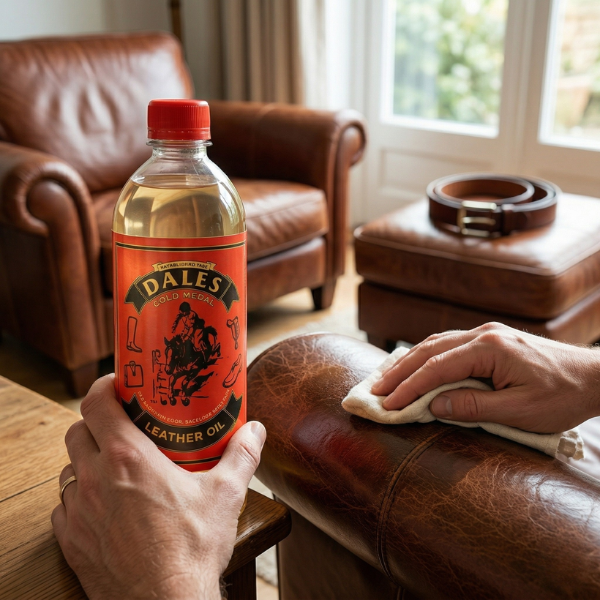
Quality leather furniture is known for its timeless beauty, durability and ability to develop character with age. But while genuine leather can last for decades, it is a common misconception that leather requires no maintenance.
Leather is a natural material. Without appropriate care, exposure to sunlight, heat, everyday dirt and a lack of conditioning can cause it to fade, become dry or eventually develop cracks.
Knowing how to clean and condition leather furniture correctly can help preserve its softness, appearance and longevity. In this guide, we explain how to care for leather using the Dales Gold Medal leather-care range, including Glycerine Soap, Leather Oil and Hide Food.
Leather furniture is durable, but it is not maintenance-free.
Over time, leather may be exposed to dust, body oils, spills, sunlight and heat. Without appropriate cleaning and conditioning, it can gradually lose moisture and suppleness.
Some of the biggest risks to leather furniture include:
Regular care helps keep suitable leather clean and conditioned while preserving its natural character.
Important: Not all leather is the same. Aniline, semi-aniline, pigmented, suede, nubuck and other leather finishes may have different care requirements. Always check that a product is suitable for your particular leather and test it on a small, inconspicuous area before treating the entire piece.
Before applying any leather cleaning product, gently remove loose dust and surface dirt.
Use a clean, soft, dry cloth to wipe the leather. Pay particular attention to seams, folds, piping and areas between cushions where dust can accumulate.
Avoid scrubbing aggressively, as unnecessary friction may affect delicate leather finishes.
Removing loose dirt first also prevents particles from being rubbed across the leather during cleaning.
For suitable leather, Dales Gold Medal Glycerine Soap can be used to remove dirt and grime while helping to care for the leather.
Start with a clean, damp sponge or soft cloth. Apply a small amount of the glycerine soap and gently work it over the leather without soaking the surface.
Use gentle movements rather than aggressive scrubbing, paying extra attention to areas that experience regular contact, such as armrests and seating surfaces.
Remove excess residue as directed and allow the leather to dry naturally.
Never place wet leather directly in strong sunlight or next to a heater or fireplace to speed up drying. Excessive heat can cause leather to become dry and may contribute to damage over time.
Leather Oil is designed to nourish suitable leather and help restore suppleness where the leather has become dry.
Apply a small amount with a clean, soft cloth, working in light, even strokes. Avoid saturating the leather. It is generally better to start with less product and apply more only if needed.
Allow sufficient time for the oil to absorb.
Keep in mind that oils can potentially darken or alter the appearance of certain leathers, particularly lighter colours or highly absorbent natural finishes. For this reason, always perform a patch test on a hidden area first.
Leather Oil may not be suitable for every leather type or every piece of furniture, so check the manufacturer’s care instructions where available.
Dales Gold Medal Hide Food can be used to condition and nourish suitable leather, helping to maintain its suppleness.
Using a clean cloth, apply a small amount evenly to the leather. Avoid heavy application, as excessive product can leave unwanted residue.
Allow the product time to absorb according to its directions before gently buffing the leather with a clean, soft cloth where appropriate.
The goal is not to make the leather excessively oily or overloaded with conditioner. Appropriate leather care is about maintaining balance and preventing the hide from becoming excessively dry.
Not necessarily.
The right treatment depends on the leather’s type, condition and intended use.
Glycerine Soap is primarily used for cleaning suitable leather and removing dirt and grime.
Leather Oil helps nourish suitable leather that may require additional conditioning and suppleness.
Hide Food is a conditioning treatment intended to nourish and help preserve suitable leather.
A piece of leather furniture may not require all three products during every maintenance session. Over-conditioning leather or using unsuitable products can affect its appearance and feel.
If you’re uncertain, start by identifying the leather type and assessing its condition before choosing the appropriate treatment.
There is no single schedule suitable for every leather couch or chair.
How often leather requires cleaning or conditioning depends on factors such as:
As a general principle, dust should be removed regularly and spills should be addressed promptly. Deeper cleaning and conditioning can be carried out periodically when appropriate for the specific leather.
Rather than applying conditioner simply because a certain number of months have passed, pay attention to the leather’s condition and follow the relevant care instructions.
Yes. Prolonged exposure to direct sunlight can cause genuine leather to fade and dry out over time.
If possible, avoid positioning leather furniture where it receives intense direct sunlight for extended periods each day. Curtains, blinds or other window treatments may help protect furniture during the strongest sunlight hours.
Natural colour variation and ageing are part of the appeal of genuine leather, but excessive exposure can accelerate fading and dryness.
Yes. Excessive heat can cause leather to lose moisture and become dry.
Leather couches and chairs should therefore not be positioned too close to fireplaces, heaters or other intense heat sources.
One of the biggest misconceptions about genuine leather is that it will last indefinitely without maintenance. While quality leather can be remarkably durable, its longevity depends significantly on the environment and how it is cared for.
Act promptly.
Use a clean, absorbent cloth to gently blot the spill. Avoid aggressively rubbing it into the leather, as this may spread the liquid or push it deeper into absorbent finishes.
Do not automatically use household detergents, bleach, alcohol-based cleaners or other harsh chemicals on leather furniture.
The correct cleaning method depends on the type of leather and the substance spilled. When in doubt, seek appropriate advice before applying a product that could permanently alter the leather.
Even good-quality leather can be damaged by inappropriate care. Some common mistakes include:
A gentle and consistent approach is usually better than waiting until leather becomes severely dry or dirty and then attempting an aggressive restoration.
The Dales Gold Medal leather-care range is not limited to furniture.
Depending on the specific leather type and product instructions, products in the range may also be suitable for leather goods such as:
As with furniture, always consider the leather type and finish before applying any cleaning or conditioning product. A treatment suitable for rugged saddlery may not necessarily be appropriate for every delicate handbag or highly finished leather surface.
Start by removing loose dust with a clean, soft cloth. For deeper cleaning, use a leather cleaner appropriate for the specific type and finish of your leather. Always test a new product on an inconspicuous area first.
Keep it away from excessive direct sunlight and intense heat sources, clean it appropriately and condition it when required using a product suitable for the particular leather type.
This depends on the type of leather, frequency of use and environmental conditions. Leather exposed to heat or sunlight may require different care from furniture in a cooler, protected area. Follow the leather or furniture manufacturer’s recommendations where available.
It is generally best to avoid ordinary household detergents and harsh cleaners unless they are specifically approved for your type of leather. Inappropriate cleaning products may dry out, discolour or damage the surface.
Yes. Some oils and conditioners may darken or otherwise alter certain leather types, particularly lighter or highly absorbent finishes. Always perform a patch test in a hidden area first.
Aniline leather is highly natural and may be more absorbent than heavily protected leather. Only use products confirmed as suitable for the specific leather, and always test first in an inconspicuous area.
Not necessarily. Regular dusting, prompt attention to spills, protection from excessive heat and sunlight, and appropriate periodic conditioning can help preserve quality leather for many years.
One of the qualities that makes genuine leather so special is that it can develop greater character as it ages. Natural variations, subtle changes in tone and a beautiful patina can become part of the furniture’s story.
But beautiful ageing and neglect are not the same thing.
Regular, appropriate care can help keep leather soft, supple and comfortable while reducing the risk of excessive dryness and premature damage.
The Dales Gold Medal leather-care range offers products for cleaning and nourishing suitable leather, from furniture to saddlery, boots and bags.
Good leather is made to age. The way you care for it helps determine how beautifully it does.