
Is It Worth Reupholstering Furniture? What to Consider Before You Decide
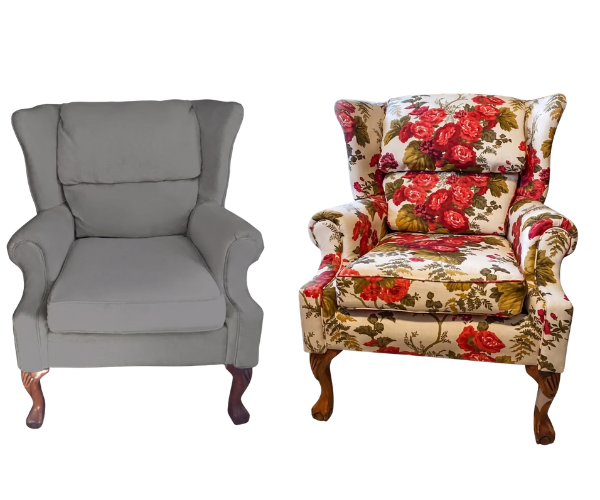
A well-loved couch or chair can become part of the character of a home. Perhaps it has been in the family for decades, fits perfectly into a particular space, or has a quality frame that is difficult to find in modern mass-produced furniture.
When the fabric becomes worn, faded or simply no longer suits your interior, reupholstery may give the piece a new lease on life.
But there is an important misconception about furniture reupholstery that is worth addressing:
Reupholstering furniture is not necessarily cheaper than buying new furniture.
Whether reupholstery is worthwhile depends on the quality and condition of the existing furniture, the work required, your choice of fabric or leather, and the value you place on keeping the original piece.
Understanding what actually goes into professional furniture reupholstery can help you make a more informed decision.
What Does Reupholstering Furniture Actually Involve?
Reupholstery is much more than simply placing new fabric over old fabric.
The process typically involves stripping the existing upholstery and other materials from the furniture frame. Depending on the condition of the piece, foam, padding and binding may also need to be replaced.
Once stripped, the underlying frame can be inspected for damage that may not have been visible while the furniture was still upholstered. If repairs are required and possible, these may need to be completed before the new upholstery is fitted.
The furniture can then be rebuilt and finished according to the chosen design and upholstery specifications.
Depending on the piece, customers may be able to choose details such as:
- Fabric or genuine leather
- Foam density
- Piping
- Deep buttoning
- Diamond stitching
- Oxford edges
- Decorative studs
This ability to personalise a piece is one of the greatest advantages of reupholstery.
Is Reupholstering Furniture Cheaper Than Buying New?
Not always.
Many people assume that because they already own the furniture frame, replacing the upholstery must be considerably cheaper than buying a new couch or chair. However, professional reupholstery is a skilled and labour-intensive process.
The cost of a new piece of furniture is also heavily influenced by where and how it was originally manufactured.
Mass-produced furniture may be manufactured in large quantities using bulk-purchased fabric, standardised components and highly repetitive production processes. Buying fabric and other materials in bulk can significantly reduce the cost per unit.
Reupholstery is different. Each piece needs individual attention. The old materials must be stripped away, the frame inspected, new fabric individually cut and sewn, and the furniture rebuilt and finished.
For this reason, reupholstering an inexpensive, mass-produced couch may sometimes cost as much as—or even more than—buying another inexpensive couch.
The more important question is therefore not simply:
“Is reupholstery cheaper?”
It is:
“Is this particular piece of furniture worth reupholstering?”
When Is Furniture Worth Reupholstering?
Reupholstery may be particularly worthwhile when the furniture has a good-quality frame, has sentimental value, fits a difficult or unusual space, or is a design you genuinely love and would struggle to replace.
Older furniture can sometimes have extremely strong frames and excellent construction beneath dated or worn upholstery. In these cases, replacing the fabric, foam and finishing details can transform the piece while preserving its original character.
It may also make sense to reupholster when you want greater control over the finished result. Instead of choosing from a limited selection of ready-made furniture, you can select a fabric or leather suited specifically to your room, lifestyle and personal taste.
However, if the original furniture was inexpensive, poorly constructed or has a severely damaged frame that cannot reasonably be repaired, investing in reupholstery may not be the best financial decision.
Every piece should be considered individually.
The Hidden Work Behind Professional Reupholstery
When looking at a reupholstery quotation, it can be easy to focus only on the visible result: the new fabric.
But a significant amount of skilled work happens before that new fabric is fitted.
A professional reupholstery project may include the following:
- Labour by skilled upholsterers
- Stripping away old fabric and upholstery materials
- Machine time
- Sewing and cutting
- Staples, thread and other consumables
- Inspection of the underlying furniture frame
- Frame repairs, where possible and required
- Replacement of foam or padding
- Piping and other finishing work
The time required varies greatly depending on the size, shape, construction and complexity of the piece.
A simple dining chair seat, for example, requires considerably less labour than a large deep-buttoned couch with complex curves, piping or decorative details.
Why Can’t All Frame Damage Be Quoted Before the Furniture Is Stripped?
One challenge with reupholstery is that the true condition of the frame may not be visible until the existing upholstery has been removed.
A couch or chair may look structurally sound from the outside while hiding broken timber, weakened joints or other damage beneath the fabric and padding.
For this reason, additional frame repairs may only be identified once the furniture has been stripped.
If damage is discovered, it first needs to be determined whether the frame can reasonably be repaired. Where additional repairs are required, these should be communicated and quoted separately before proceeding.
In cases where a frame is too severely damaged to repair safely or economically, the customer should be informed before further work continues.
Choosing the Right Upholstery Fabric or Leather
Choosing upholstery should never be based on appearance alone.
The most beautiful fabric may not necessarily be the right choice for your lifestyle or for where the furniture will be placed.
Before selecting a fabric or leather, consider the following questions:
- Will children regularly use the furniture?
- Do you have pets?
- Is the furniture for a formal or occasional-use area?
- Will it be used daily in a family living room?
- Is it exposed to direct sunlight?
- Is it positioned near a fireplace or another heat source?
- Will the furniture be used outdoors or in a covered outdoor area?
These considerations can make a significant difference to how well your chosen upholstery performs over time.
Choosing Upholstery for Homes With Children and Pets
For busy family homes, durability and practicality are particularly important.
Consider fabrics designed to withstand regular use and look at factors such as abrasion resistance, ease of cleaning and the manufacturer’s recommended application.
Texture and weave are also worth considering for homes with pets. Some loosely woven or heavily textured fabrics may be more vulnerable to catching on claws.
No fabric or leather is completely indestructible, so it is important to choose an option that realistically suits the way your household lives.
What Is the Martindale Rub Test?
When selecting upholstery fabric, you may see a durability rating expressed in Martindale rubs.
The Martindale test measures a fabric’s resistance to abrasion by repeatedly rubbing it under controlled conditions until signs of wear appear.
As a general starting point, upholstery fabric should be suitable for its intended application. For furniture upholstery, a Martindale rating above 10,000 rubs may be considered for certain applications, but furniture that receives frequent or heavy use may benefit from a significantly higher rating.
The highest number is not automatically necessary for every piece. A decorative chair in a formal room has very different requirements from the family’s main couch, which may be used for hours every day.
The right fabric is the one suited to the intended use of the furniture.
How Sunlight Affects Fabric and Leather Furniture
Direct sunlight is an important consideration when choosing upholstery and deciding where furniture will be positioned.
Prolonged exposure to sunlight can cause fabrics to fade over time. Genuine leather may also fade and become dry when regularly exposed to strong direct sunlight.
If your furniture will be positioned near a large window or in a particularly sunny room, discuss this when selecting your upholstery. Window coverings and thoughtful furniture placement may also help reduce prolonged direct exposure.
No upholstery should be assumed to be completely fade-proof unless specifically stated by the manufacturer.
How Fireplaces and Heat Can Affect Leather
Leather is a natural material that requires appropriate care to retain its suppleness.
Positioning genuine leather furniture too close to a fireplace or another strong heat source may cause the leather to lose moisture and become excessively dry over time. Dry leather can become more vulnerable to cracking and damage.
Leather furniture should therefore be positioned a reasonable distance from intense heat sources and cared for using appropriate leather cleaning and conditioning products.
Understanding Foam Density
Reupholstery also provides an opportunity to assess and, where necessary, replace the foam inside your furniture.
Foam may be available in different densities, commonly described as high, medium or low density. The appropriate choice depends on the furniture’s design, intended use and the type of support required.
It is worth remembering that foam density and how firm a cushion feels are related concepts, but they are not necessarily exactly the same thing. A knowledgeable upholsterer can help determine the appropriate foam specification for a particular piece of furniture and how it will be used.
Replacing worn or collapsed foam can make a significant difference to both the comfort and appearance of reupholstered furniture.
Personalising the Finishing Details
One of the most rewarding parts of reupholstery is the opportunity to personalise your furniture.
Depending on the original design and what is structurally possible, finishing options may include piping for a clean, tailored appearance; deep buttoning for traditional character; diamond stitching for decorative detail; Oxford edges for a softer cushion finish; or decorative studs for a classic look.
These details can completely change the personality of a piece.
A traditional chair can be given a fresh contemporary feel with a simpler fabric and clean piping, while a classic wingback chair can be enhanced with deep buttoning or carefully positioned studs.
The aim should be to choose details that complement both the furniture’s shape and the room in which it will be used.
What Is Typically Included in the Cost of Reupholstery?
Every upholsterer may structure quotations differently, so it is important to confirm exactly what is and isn’t included.
Depending on the quotation, reupholstery costs may include:
- Labour
- Stripping away old fabric and materials
- Machine time
- Basic consumables such as staples, thread and sewing materials
- Foam in the specified density, where included
- Piping, where specified
Potential additional costs may include the upholstery fabric or leather itself, extensive frame repairs discovered after stripping, decorative studs, and collection and delivery.
Always read your quotation carefully and ask questions if anything is unclear.
Questions to Ask Before Reupholstering Your Furniture
Before going ahead, it is helpful to ask:
- Is the existing frame worth saving?
- Can any visible damage be repaired?
- Could additional damage be discovered after stripping?
- What exactly is included in the quotation?
- Is fabric or leather included or quoted separately?
- Does the chosen upholstery suit how the furniture will actually be used?
- What is the fabric’s Martindale abrasion rating?
- Does the foam need replacing?
- Are decorative details such as studs or deep buttoning included?
- Are collection and delivery included or charged separately?
Having clear answers before work begins can help prevent misunderstandings and ensure that expectations are aligned.
Reupholster or Buy New: How Do You Decide?
There is no universal answer.
If your furniture has a poor-quality frame, extensive structural damage and little sentimental or design value, buying new may be the more sensible choice.
But if you own a well-made piece with a strong frame, love its proportions, appreciate its history or simply cannot find anything new that compares, reupholstery can be an excellent investment.
It also gives you something that buying mass-produced furniture often cannot: the ability to choose the fabric, leather, foam and finishing details that suit you.
Reupholstery is not always about finding the cheapest option.
Sometimes, it is about recognising when something good is worth keeping.
Frequently Asked Questions About Furniture Reupholstery
Is it cheaper to reupholster a couch than buy a new one?
Not necessarily. Professional reupholstery is labour-intensive, and costs depend on the furniture’s size and complexity, the condition of the frame, foam requirements, upholstery choice and finishing details. Compared with inexpensive mass-produced furniture, reupholstery may sometimes cost the same or more.
Is an old couch worth reupholstering?
It may be if the couch has a strong, good-quality frame, sentimental value, desirable proportions or a design that would be difficult to replace. The condition of the underlying frame is one of the most important factors.
Can you see all frame damage before reupholstery begins?
Not always. Some structural damage may be hidden beneath the existing fabric, foam and padding and only become visible once the furniture is stripped.
What fabric is best for reupholstering a couch?
The best choice depends on how the furniture will be used. Consider whether there are children or pets, how frequently the piece is used, its exposure to sunlight, cleaning requirements and the fabric’s suitability for upholstery.
What does a Martindale rating mean?
The Martindale rating measures a fabric’s resistance to abrasion. Higher-use furniture generally requires a more durable upholstery fabric than a decorative piece used only occasionally.
Can the foam be replaced when furniture is reupholstered?
Yes. Where necessary, old or deteriorated foam can be replaced. The appropriate foam specification depends on the furniture’s design, use and desired comfort.
Can I change the style of my furniture during reupholstery?
Depending on the original design and construction, you may be able to change the fabric or leather, piping, deep buttoning, diamond stitching, Oxford edges, decorative studs and other finishing details.
Does sunlight damage upholstery?
Prolonged direct sunlight can fade many fabrics and may cause genuine leather to fade and dry out over time.
Is leather suitable near a fireplace?
Leather should not be placed too close to an intense heat source, as excessive heat can cause it to lose moisture and become dry, increasing the risk of damage.
Giving Quality Furniture a New Chapter
Reupholstery can transform tired furniture, preserve a well-made frame and allow you to create something personal to your home and lifestyle.
The key is to approach the decision realistically. Consider the quality of the original piece, the work required, your upholstery choice and whether the finished furniture will provide the value you are looking for.
A well-made piece of furniture does not always need to be replaced simply because its fabric is tired.
Sometimes, it simply needs a new chapter.
Does Furnicare Offer Furniture Reupholstery?
Yes. Furnicare offers professional reupholstery for couches, occasional chairs, dining chairs, wingback chairs and other suitable upholstered furniture.
Before proceeding, we consider the furniture’s design, visible condition, required upholstery work and whether the piece appears worthwhile to restore. However, the full condition of the frame can only be confirmed once the existing fabric and upholstery materials have been removed.
Our reupholstery service can include:
- Stripping and removing the existing upholstery
- Replacing worn foam, padding or binding where required
- Repairing the frame where repairs are possible
- Fitting the customer’s selected fabric or leather
- Adding finishes such as piping, deep buttoning, diamond stitching, Oxford edges or decorative studs
Each item is assessed and quoted individually because the amount of labour, materials and repair work differs from one piece to another.
Why Collection and Delivery Can Affect the Cost
Furniture is bulky, heavy and needs to be transported carefully. Collection and return delivery therefore form a separate part of the reupholstery cost.
These transport charges can sometimes make customers reconsider reupholstery, particularly when the furniture is inexpensive, located far from the workshop or consists of only one small item.
Unlike a standard courier parcel, upholstered furniture must be handled in a way that reduces the risk of damage during loading, transportation and delivery. The cost may need to account for the vehicle, travel distance, fuel, labour, loading and careful handling.
For this reason, we recommend considering the complete cost before deciding whether to proceed:
- Reupholstery labour
- Foam and other internal materials
- Fabric or leather
- Decorative finishing details
- Possible frame repairs
- Collection and return delivery
Although transport costs can influence the final decision, reupholstery may still be worthwhile for a high-quality frame, a valuable suite, a sentimental piece or furniture that would be difficult to replace.
Customers are welcome to discuss the available transport arrangements with us when requesting a quotation.
How to Request a Reupholstery Quotation
To help us provide an initial estimate, customers should send clear photographs of the furniture, including:
- The front, back and sides
- The cushions and seating area
- Any visible damage
- The legs and lower frame
- Close-up photographs of the current upholstery
- The approximate dimensions
- The collection and delivery location
Photographs allow us to provide an initial indication of the likely work involved. However, this estimate may need to be adjusted if hidden frame damage or additional repairs are discovered after the furniture has been stripped.
We will also discuss your preferred fabric or leather, foam requirements and finishing details before confirming the work.
Reupholstery Is Best Suited to Furniture Worth Preserving
Because reupholstery and furniture transportation are both labour-intensive, the service is generally most worthwhile for:
- Strong, well-constructed furniture frames
- Quality older furniture
- Full lounge suites rather than a single inexpensive item
- Pieces with sentimental value
- Unusual furniture that is difficult to replace
- Furniture that fits a specific room or space perfectly
- Customers who want a particular fabric, leather or customised finish
We believe in being transparent when a piece may not be financially worthwhile to reupholster. In some cases, purchasing new furniture may be more practical. In others, restoring a well-made piece can provide many more years of use and create something far more personal than a mass-produced replacement.
Discuss Your Reupholstery Project With Furnicare
Have a couch, chair or treasured furniture piece that needs a new lease on life?
Send Furnicare clear photographs, approximate dimensions and your collection location. We can assess the visible condition, discuss fabric or leather options and provide an initial quotation for the reupholstery and transport requirements.
Please remember that hidden frame damage can only be confirmed once the furniture has been stripped. Any additional repairs will be communicated and quoted before further work proceeds.
Reupholstery is not always the cheapest option, but for the right piece, it can be an investment in quality, character and many more years of use.