Leather Grade vs Leather Finish: What’s the Difference?
Before comparing different leathers, it is helpful to understand that leather grade and leather finish are not the same thing.
Terms such as full-grain, top-grain and split leather generally describe which part of the hide is used and how much the natural surface has been altered.
Terms such as aniline, semi-aniline and pigmented leather describe how the leather has been dyed, protected and finished.
This means a piece of leather can be both full-grain and aniline leather — which is the primary type of genuine leather we use in Furnicare’s furniture collection.
What Is Full-Grain Leather?
Full-grain leather is widely regarded as one of the highest-quality types of leather available.
It uses the uppermost layer of the hide and retains its natural grain rather than having the surface heavily sanded or corrected to remove natural markings.
These natural characteristics are part of what makes each hide unique. Depending on the particular leather, you may see subtle colour variations and other individual characteristics that reflect its natural origin.
One of the most appealing characteristics of quality full-grain leather is how it ages. Rather than simply looking worn, well-maintained leather can develop a beautiful patina over time, giving the furniture greater depth and character.
Full-grain leather is an excellent choice for those who value authenticity, natural beauty and furniture intended to be enjoyed for many years.
What Is Aniline Leather?
Aniline leather is dyed using soluble dyes that allow the natural characteristics of the hide to remain visible rather than completely covering the surface with a heavy opaque coating.
The result is leather with a natural appearance, beautiful depth of colour and a distinctive feel.
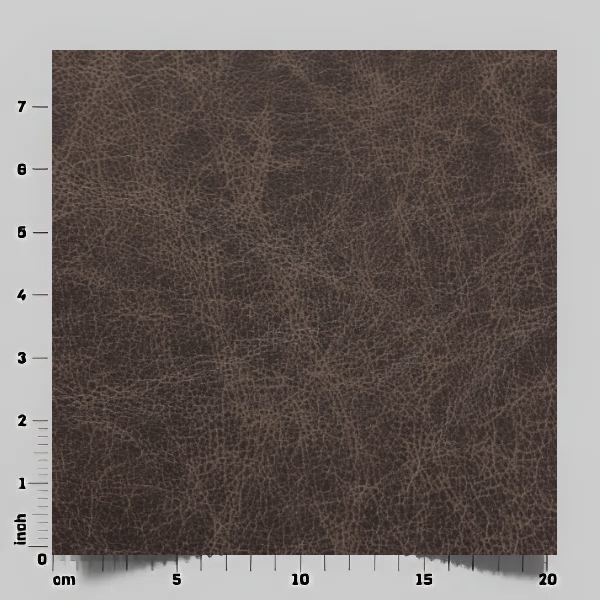
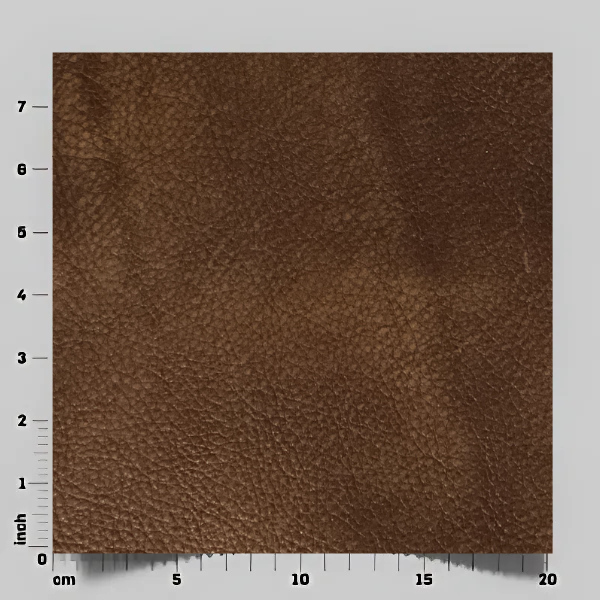
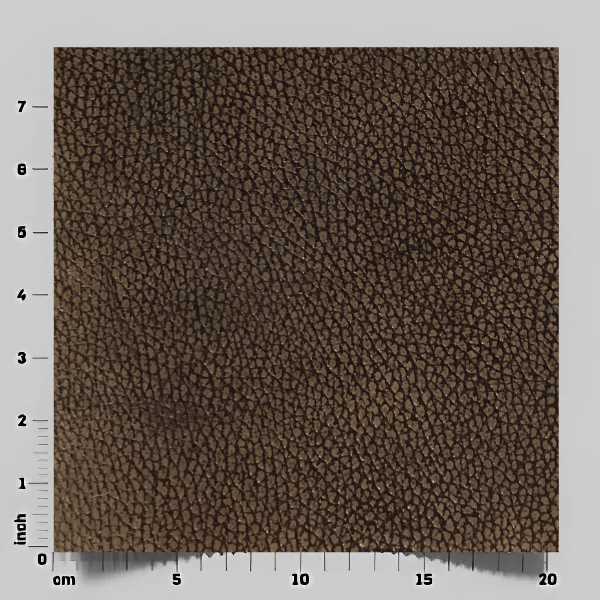
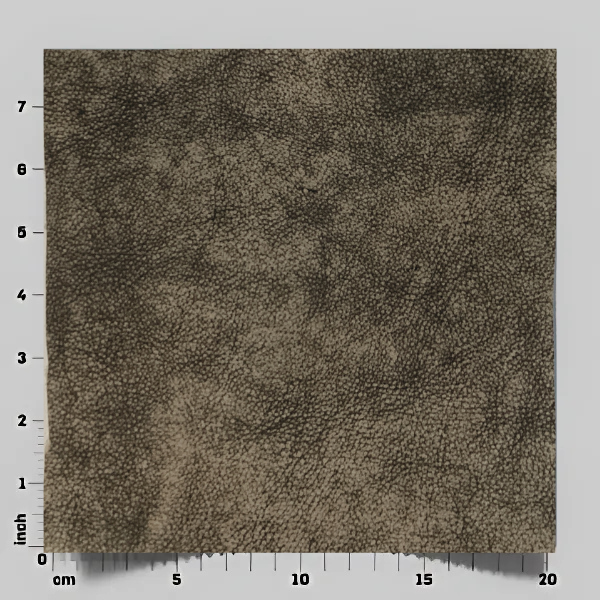
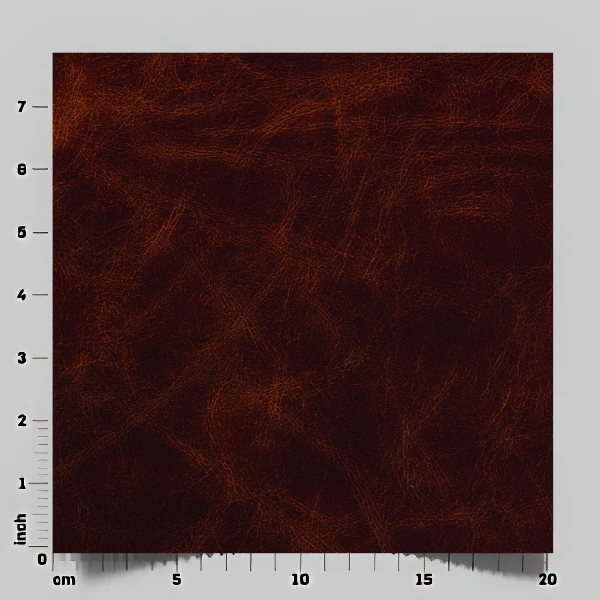
At Furnicare, we primarily use full-grain aniline leather for our genuine leather furniture. Our house leather range includes different characteristics and appearances, including options with two-tone effects, natural colour variation and distressed character.
We currently have five in-house leather options used throughout our collections. For custom orders and interior projects, we can source more than 50 additional leather colours, allowing customers greater freedom to choose a finish suited to their space.
What Is Top-Grain Leather?
Top-grain leather also comes from the upper section of the hide, but its surface may be sanded, buffed or otherwise corrected to create a more uniform appearance.
This can reduce some natural markings and variations while producing a smoother, more consistent surface.
Good-quality top-grain leather can still be durable and attractive, but it generally has a more uniform appearance than natural full-grain aniline leather.
For customers who appreciate the individuality of genuine hides and the character that develops with age, full-grain leather is often particularly appealing.
What Is Split Leather?
Once the upper grain layer has been separated from a thick hide, the lower fibrous layer is known as split leather.
Split leather is genuine animal hide, but it does not have the same natural grain structure as full-grain or top-grain leather. It may be coated or embossed to create a more uniform appearance.
It can be useful for certain applications and can provide a more affordable genuine leather option, but it should not be confused with full-grain leather.
What Does “Genuine Leather” Actually Mean?
This is one of the most misunderstood terms in furniture shopping.
Genuine leather means that the material is real leather, but the term alone does not tell you its exact quality, grade or finish.
A product labelled genuine leather could be made from different grades or types of real leather. This is why it is important to ask more specific questions when buying leather furniture:
- What type of leather is used?
- Is it full-grain or corrected leather?
- Is genuine leather used throughout the entire piece?
- Are the sides and back also genuine leather?
- Are any vinyl or synthetic materials used?
At Furnicare, our genuine leather couches and occasional chairs use genuine leather throughout — not just on the seating surfaces or so-called “leather uppers”. We do not substitute vinyl on the backs and sides of furniture sold as our genuine leather pieces.
Vinyl and other alternatives can, however, be quoted separately upon request and may be practical for certain commercial or high-traffic environments.
What Is Bonded Leather?
Bonded leather is manufactured using leather fibres or scraps combined with binding materials, usually including synthetic components.
Although it may contain some leather, it is fundamentally different from a full hide of genuine leather and generally does not offer the same natural characteristics, ageing qualities or longevity as full-grain leather.
Bonded leather can provide a more affordable appearance, but customers should understand exactly what they are buying and how its expected performance differs from genuine hide upholstery.
At Furnicare, synthetic or bonded alternatives can be quoted upon request, but our primary genuine leather furniture offering focuses on full-grain aniline leather.
Will Genuine Leather Crack or Peel?
This is one of the questions we are asked most often.
Quality genuine leather does not behave in exactly the same way as bonded or synthetic materials, which may delaminate or peel as their surface layers deteriorate. However, genuine leather can still become dry, faded, cracked or damaged if it is neglected or exposed to harsh conditions.
One of the biggest misconceptions about leather furniture is that because leather is durable, it requires no maintenance.
Leather needs care.
Direct sunlight can dry and fade leather over time. Excessive heat from a fireplace or another heat source can also draw out moisture, leaving the leather dry and more vulnerable to damage.
Regular cleaning and conditioning help preserve the leather’s natural suppleness and appearance.
How Long Can a Genuine Leather Couch Last?
There is no single guaranteed lifespan for every leather couch because longevity depends on several factors, including:
- The quality and type of leather
- The construction of the furniture
- How frequently it is used
- Its exposure to sunlight and heat
- Whether it is regularly cleaned and conditioned
- The home environment and lifestyle of the owner
With quality materials, good furniture construction and appropriate care, a well-made genuine leather couch can potentially remain in use for 30 to 50 years.
We have personally seen older leather furniture that has aged exceptionally well. This is one of the reasons we believe quality leather furniture should be viewed as a long-term investment rather than simply a short-term furnishing purchase.
Is Leather Furniture Suitable for Homes With Children and Pets?
It can be, but choosing the right leather is important.
For households with children or pets, we offer our Amanzi Harness leather, which has a protective layer that makes it a practical option for busy family homes.
However, no furniture upholstery is completely immune to damage. Pet claws can scratch leather, spills should be attended to promptly, and regular care remains important.
When choosing leather furniture for a family home, consider your lifestyle honestly. A more protected leather may be preferable to a highly natural, minimally protected finish if the furniture will face heavy everyday use.
Customers can visit our Pretoria showroom to see and feel our available leather samples and discuss which option may be most suitable for their household.
How Should You Clean and Care for Leather Furniture?
Proper care is one of the most important factors in determining how beautifully leather ages.
At Furnicare, we offer the Dales Gold Medal leather-care range, including glycerine soap, hide food and dubbin.
Different leather types may have different care requirements, so always check that a cleaning or conditioning product is appropriate for your specific leather before applying it to the entire piece.
As a general principle, leather furniture should be kept away from excessive direct sunlight and intense heat sources, cleaned appropriately and conditioned when necessary to help prevent it from becoming excessively dry.
One of the greatest mistakes a leather-furniture owner can make is assuming that genuine leather will simply last forever without any care. Quality leather is remarkably durable, but its longevity depends greatly on how it is treated.
Can You Customise Leather Furniture?
Yes. Furnicare’s leather furniture is made to order, giving customers the opportunity to customise their furniture according to the options available for a particular design.